As an Amazon Associate, I earn from qualifying purchases.
Modern life teaches women to live in a constant state of urgency.
Notifications. Noise. Overthinking. Multitasking. Stress that quietly follows us from morning until night.
Stress and overstimulation can show up in many ways, and the same feeling can have different causes for different people. These are personal routines that made my days feel less noisy; they are not a diagnosis or a treatment plan.
Sometimes it shows up as:
- difficulty relaxing
- constant mental noise
- poor sleep
- emotional sensitivity
- burnout
- irritability
- feeling “wired but tired”
- anxiety that never fully turns off
For a long time, I thought healing had to be dramatic.
The things that helped me most were small, gentle and deeply simple.
Not hacks.
Not perfection.
Just tiny rituals that reminded my body it was finally safe to slow down.
Here are a few of the habits that helped me create a calmer, softer inner world.
1. Slowing Down My Mornings
One of the biggest changes I made was refusing to start my mornings in a rush.
For years, my nervous system woke up already overstimulated: checking notifications, scrolling, multitasking before my feet even touched the floor.
Now I try to create softer mornings whenever possible.
Even 15 slow minutes can make a difference.
Some gentle morning rituals that helped:
- opening the curtains slowly and letting natural light in
- drinking warm tea before coffee
- journaling instead of scrolling
- stretching in silence
- listening to calming music
- avoiding stressful content early in the day
A calm morning changes the emotional tone of the entire day.
2. Creating a Softer Sensory Environment
One thing I underestimated for years was how much sensory input affected my own comfort. Harsh lighting, loud environments, clutter and constant background noise made it harder for me to settle.
Creating a softer sensory environment made my evenings feel noticeably easier.
Things that helped:
- warm lighting instead of bright overhead lights
- candles in the evening
- cozy textures and blankets
- calming playlists
- less background noise
- natural scents
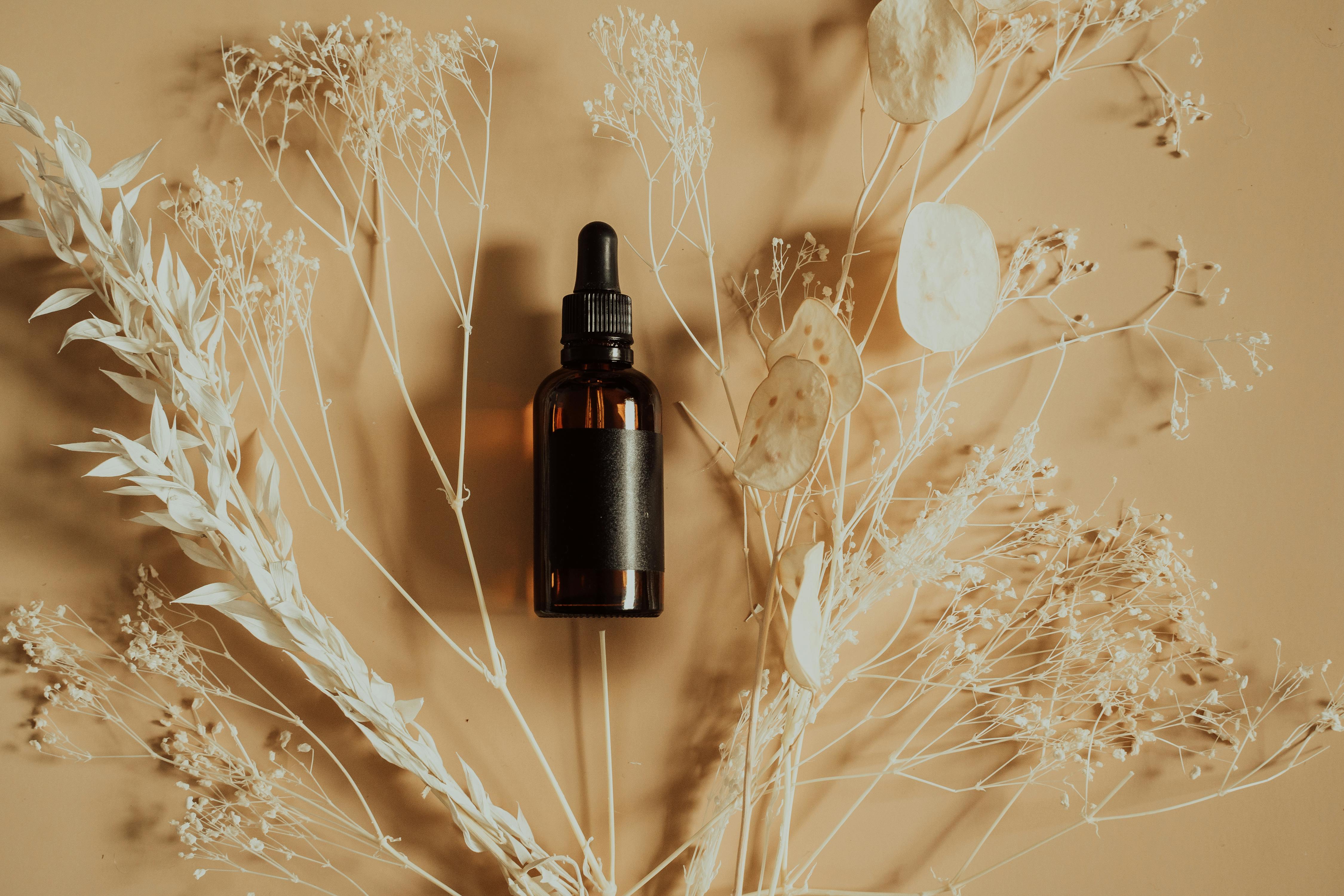
One ritual I especially love is using lavender essential oil in the evening.
Lavender has a long history of use in aromatherapy, but evidence for broad health benefits is limited. For me, it became a familiar scent associated with winding down.
I use it in a diffuser while reading, journaling or winding down before bed. The scent creates a softer atmosphere and marks the transition away from work and notifications.
One of my favorite options is the Handcraft Blends Lavender Essential Oil because it’s pure, long-lasting and works beautifully for diffusers, baths and calming evening rituals.
3. Eating More Regularly and With Less Rush
I used to underestimate how much food affects emotional wellbeing.
When I was tired or rushed, I often reached for:
- sugar
- caffeine
- processed foods
- quick energy spikes
Large swings in caffeine, meal timing or energy did not make those days easier for me.
Instead of obsessing over “perfect eating,” I focused on foods that helped me feel nourished and emotionally grounded.
Some things that genuinely helped:
- warm meals instead of skipping meals
- protein-rich breakfasts
- magnesium-rich foods
- herbal teas
- healthy fats
- drinking enough water
- eating slowly instead of rushing
Regular, unhurried meals helped me feel more steady. Individual nutrition needs vary, so health concerns belong with a qualified professional.
4. Creating Small Moments of Stillness Throughout the Day
I stopped believing that rest only counts when it’s “productive.”
Your nervous system needs moments of pause long before burnout happens.
Not every healing moment has to be a vacation or a full self care day.
Sometimes it’s:
- sitting quietly with tea
- stepping outside for fresh air
- taking a deep breath before answering messages
- stretching for five minutes
- noticing sunlight in your room
- allowing yourself to do one thing slowly
Tiny pauses matter more than we think.
For me, consistency mattered more than intensity.
5. Letting My Life Become Softer
This might be the hardest shift of all.
For a long time, I thought being exhausted meant I was doing enough.
Many women are taught to constantly push, achieve, optimize and stay productive.
But eventually, the body asks for something different.
More softness.
More presence.
More safety.
More slowness.
Healing my nervous system wasn’t about becoming a completely different person.
It was about learning that life does not always have to feel rushed.
Sometimes the most useful change is reducing one source of pressure instead of adding another wellness task.
Final Thoughts
If you’ve been feeling emotionally overwhelmed, overstimulated or constantly exhausted, you are not alone.
Feeling calmer is rarely an overnight change. Small routines can support daily comfort, but persistent anxiety, exhaustion or sleep problems deserve professional attention.
Soft living is not laziness.
Rest is not weakness.
Slowing down is not failure.
Sometimes softness is a practical form of care.
And often, the smallest rituals quietly change everything.
If your environment is the place you want to begin, read how to make your home feel safe and cozy or try a gentle morning routine .
Sources used for this article
- I'm So Stressed Out! Fact Sheet — National Institute of Mental Health
- Aromatherapy — National Center for Complementary and Integrative Health